
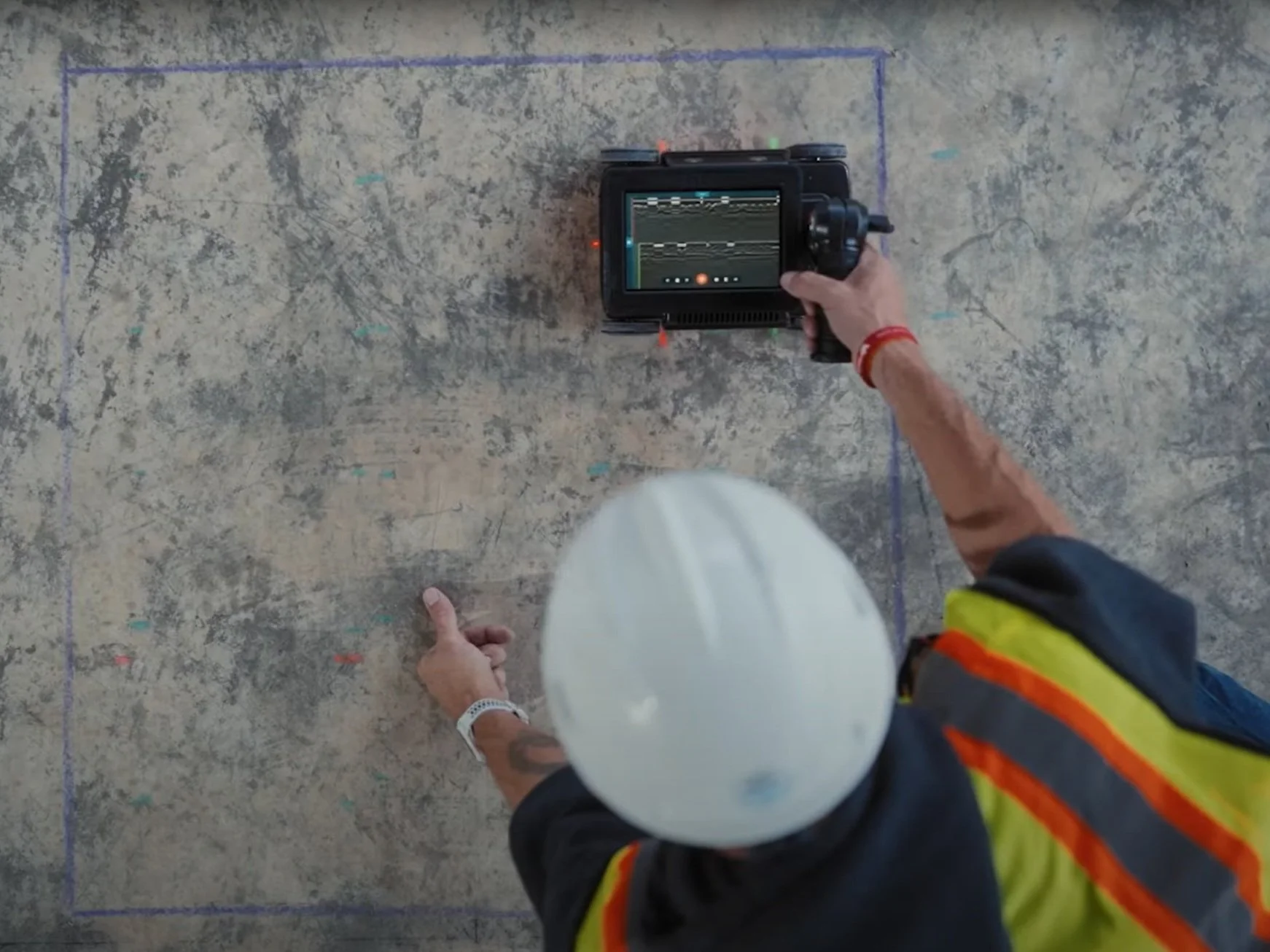
How Ground Penetrating Radar (GPR) Works: A Complete Guide for Construction and Engineering Professionals
Ground Penetrating Radar (GPR) is a powerful non-destructive testing method used to detect subsurface features such as rebar, utilities, voids, and soil anomalies. By using high-frequency electromagnetic waves, GPR provides real-time imaging that helps engineers and contractors reduce risk, improve safety, and make informed decisions before construction begins.

Bringing Subsurface Intelligence into Your Project’s Digital World: What GPR Really Adds to BIM
Ground penetrating radar (GPR) is a non-destructive testing method that uses electromagnetic waves to capture subsurface data for construction projects. By integrating this data into BIM models, it improves accuracy, enhances coordination, and helps teams avoid costly conflicts.
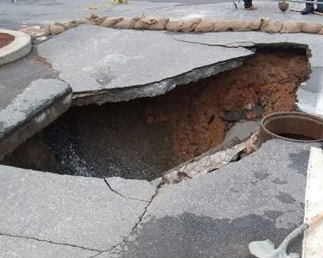
Beneath the Surface: What Hidden Voids and Delaminations Tell Us About Infrastructure Health
Non-destructive testing (NDT) methods such as GPR are used to detect hidden voids and delamination within infrastructure systems. By identifying subsurface deterioration and structural weaknesses, they help assess asset health, prevent failure, and support long-term maintenance planning.

Regulatory Trends and Risk Management: What Construction and Infrastructure Teams Need to Know About Subsurface Imaging
Subsurface imaging is a critical method used to identify hidden risks and ensure compliance with evolving construction and infrastructure regulations. By detecting underground utilities, voids, and hazards, it helps teams manage risk, avoid violations, and support safe project execution.

3D Documentation & BIM: Bringing Field Reality into Digital Precision
3D documentation and building information modeling (BIM) are advanced methods used to capture and integrate real-world data into digital construction models. By combining laser scanning and reality capture technologies, they improve accuracy, enhance planning, and support better decision-making.
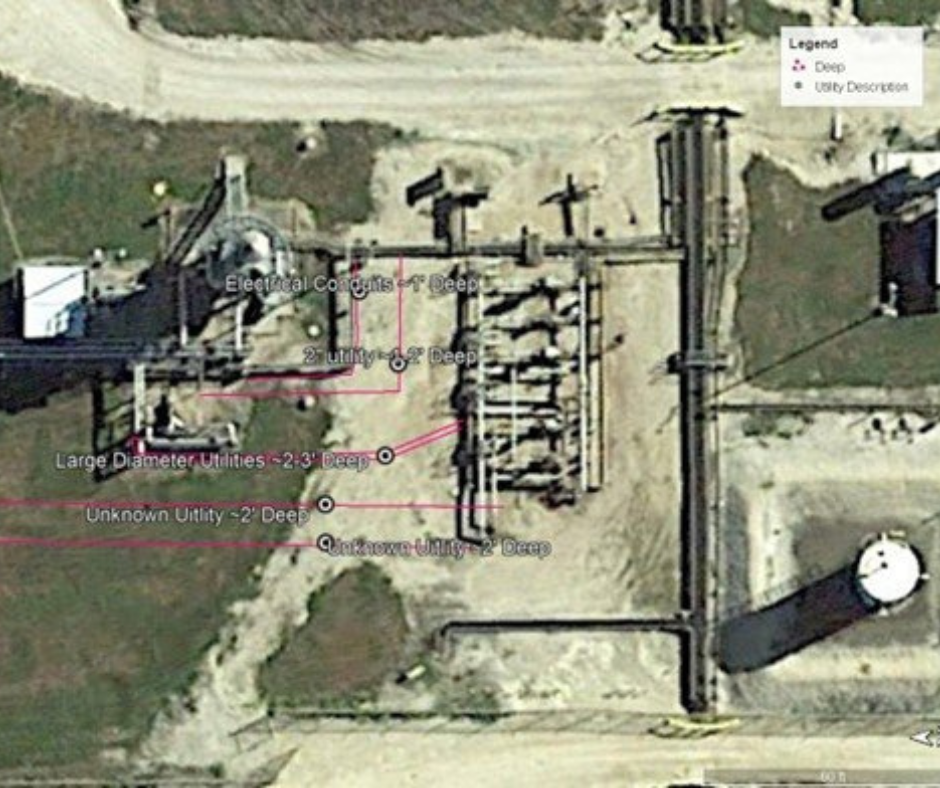
Utility Locating: What You Can’t See Can Hurt Your Project
Utility locating is a process used to identify underground utilities and hidden infrastructure before excavation begins. By detecting buried pipes, conduits, and cables, it helps prevent costly damage, project delays, and serious safety hazards.

Post-Tension Cable Detection: Why GPR is the Safer Way to Scan
Utility locating is a process used to identify underground utilities and hidden infrastructure before excavation begins. By detecting buried pipes, conduits, and cables, it helps prevent costly damage, project delays, and serious safety hazards.

Maximizing Asset Lifespan with Regular NDT Inspections
Non-destructive testing (NDT) is a method used to assess equipment and structures without causing damage or disruption. By identifying defects and deterioration early, it helps extend asset lifespan, reduce failures, and support effective maintenance planning.
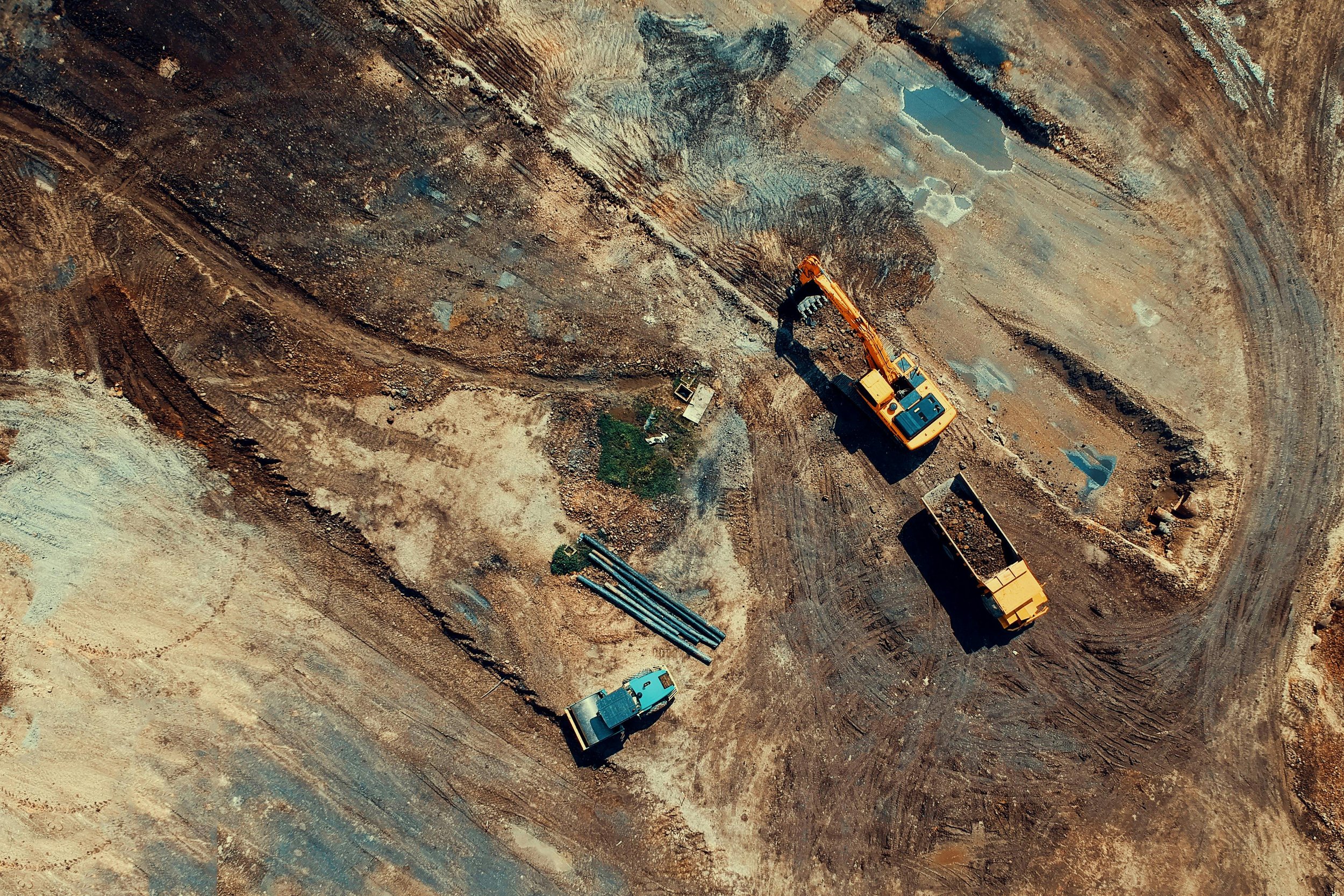
How Ground Penetrating Radar is Transforming Construction Projects
Ground penetrating radar (GPR) is a non-destructive testing method that uses electromagnetic waves to detect subsurface conditions in construction projects. By identifying utilities, voids, and structural elements, it improves safety, reduces risk, and enhances project efficiency.
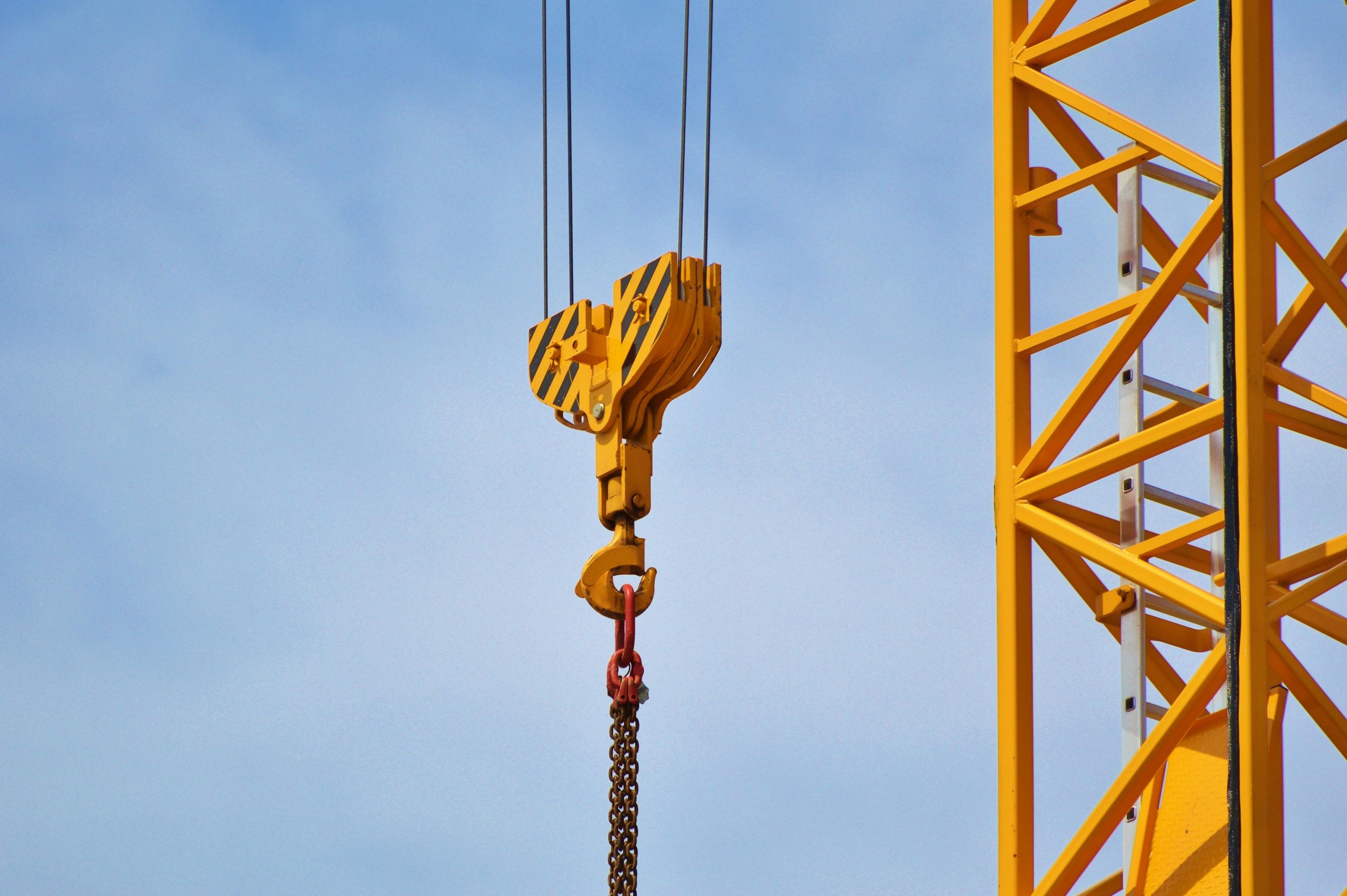
Preventing Crane Collapses: The Critical Role of NDE
Non-destructive evaluation (NDE) is a method used to identify hidden risks that can lead to crane instability and collapse. By detecting subsurface voids, ground instability, and structural concerns, it helps ensure safe lifting operations and prevent costly accidents.

Optimizing Facility Maintenance with NDT
Non-destructive testing (NDT) is a method used to assess equipment and structures without causing damage or disruption. By identifying defects and potential failures early, it helps optimize maintenance planning, reduce downtime, and extend the lifespan of critical assets.
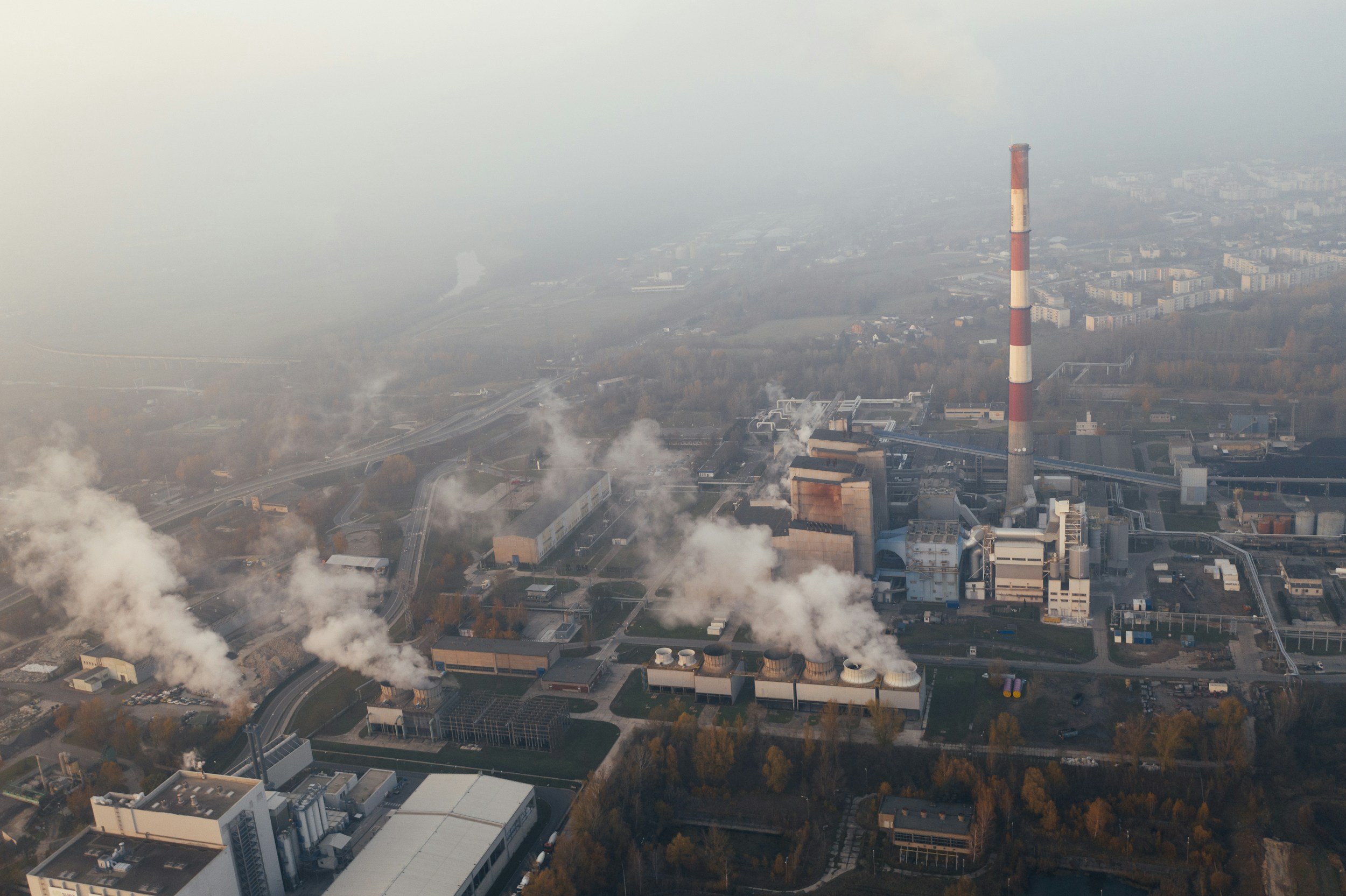
Detecting Contaminants in Construction Sites with NDT
Non-destructive testing (NDT) is a method used to detect contaminants and hidden hazards on construction sites without disrupting the environment. By identifying subsurface anomalies and hazardous materials, it helps prevent exposure, ensure compliance, and support safe project execution.

Ensuring Workplace Safety and Avoiding Contamination on Job Sites: The Role of GPR and NDT
Ground penetrating radar (GPR) and non-destructive testing (NDT) are essential methods for identifying hidden hazards and contamination risks on job sites. By detecting subsurface anomalies and unsafe conditions, these technologies help improve workplace safety, prevent exposure, and support compliant construction practices.
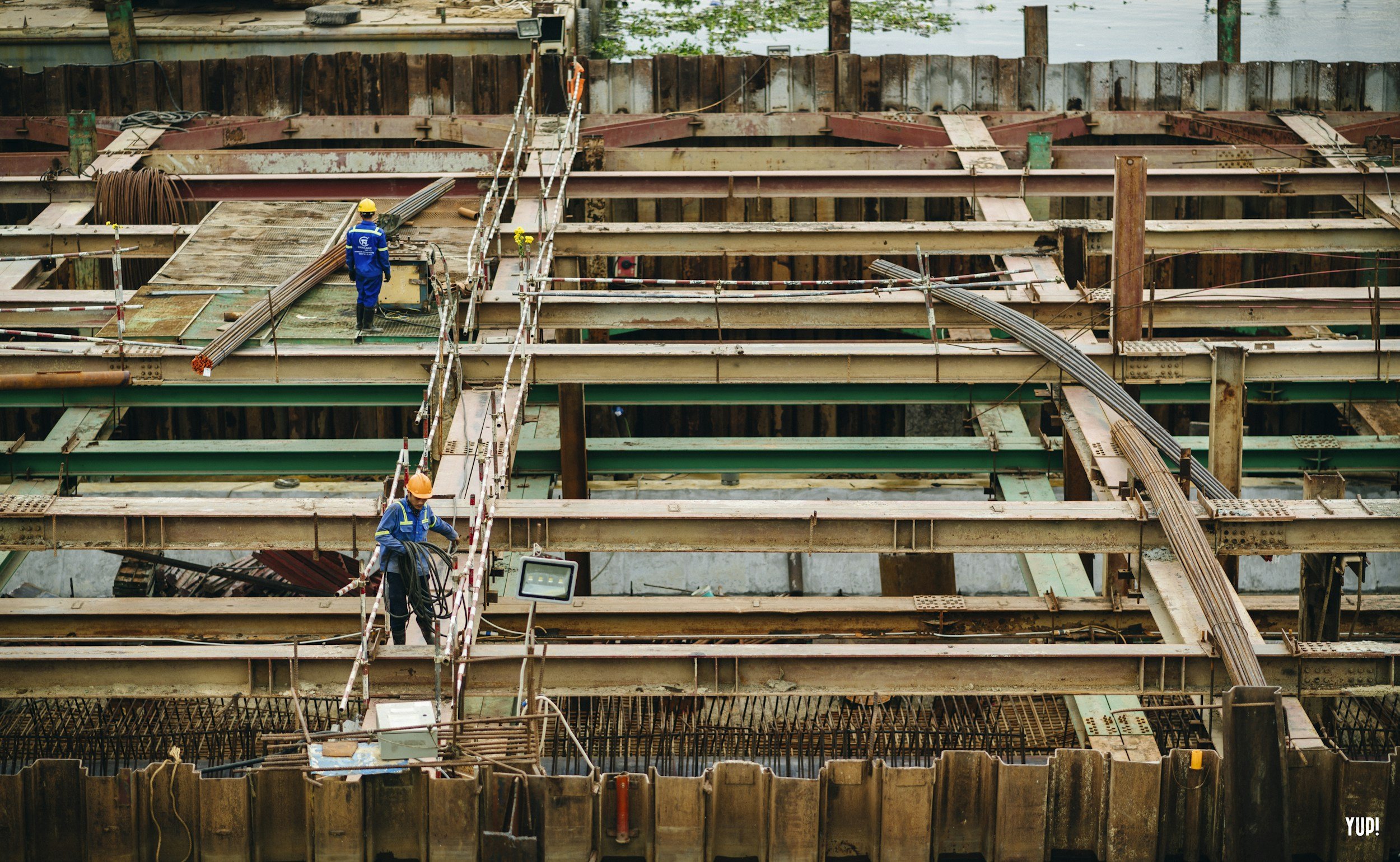
The Future of Non-Destructive Testing: Innovations and Trends
Non-destructive testing (NDT) is evolving with advanced technologies that improve accuracy, efficiency, and data visualization in inspections. By integrating innovations such as 3D scanning, AI analysis, and advanced imaging, NDT continues to transform how industries assess and maintain critical infrastructure.

How to Ensure the Safety of Partition Doors and Glass Walls as Offices
Glass partitions and doors are common in modern office design, but they require proper inspection to ensure safety and structural integrity. By identifying installation issues, material weaknesses, and hidden risks, professionals can prevent accidents and maintain a safe working environment.
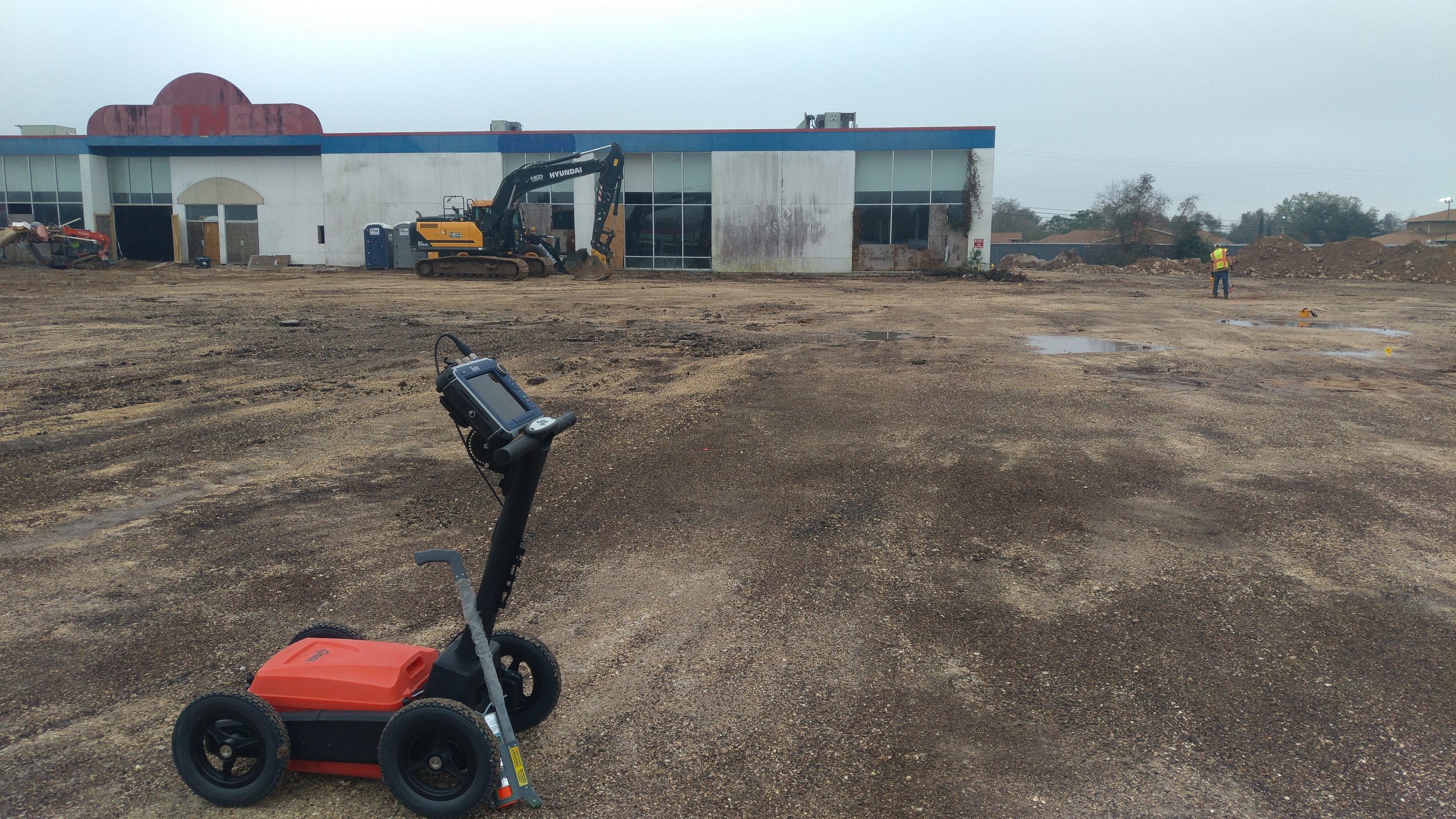
The Power of Ground Penetrating Radar and Tips to Avoid Lawsuits
Ground penetrating radar (GPR) is a non-destructive testing method that uses electromagnetic waves to detect subsurface hazards before construction begins. By identifying utilities, voids, and structural elements, it helps prevent costly mistakes, safety incidents, and potential legal liabilities.

GPR Efficacy in Buried Body Detection
Ground penetrating radar (GPR) is a non-destructive testing method that uses electromagnetic waves to detect subsurface disturbances and anomalies. By identifying changes in soil conditions, it can assist in locating buried objects and supporting forensic and investigative applications.
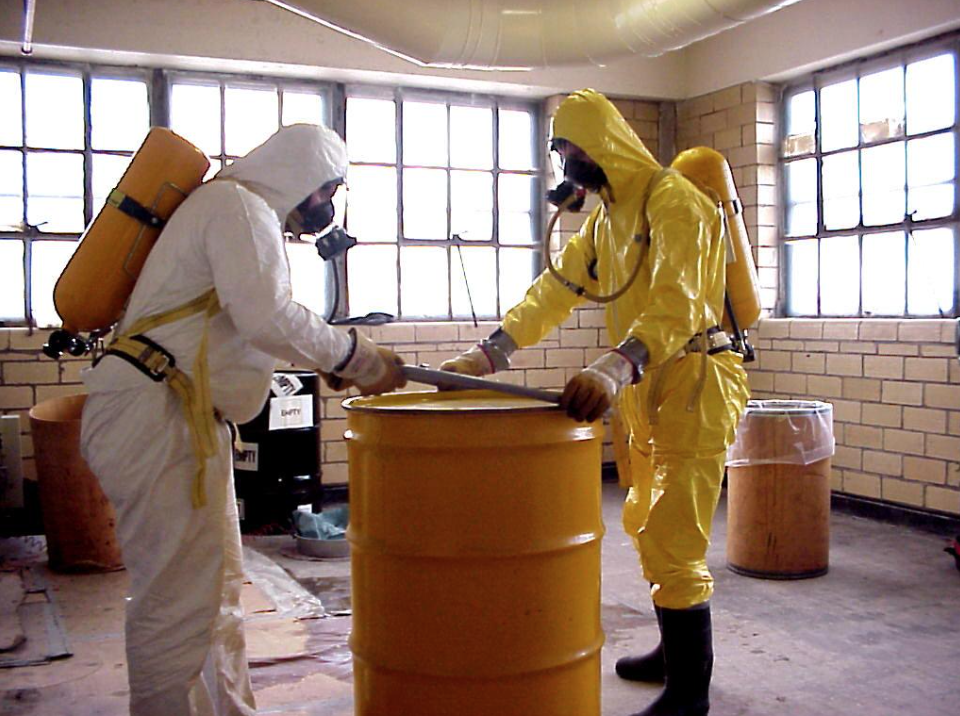
Soil Contamination – Biohazard Recognition
Soil contamination is an environmental concern that can pose serious health and safety risks on construction and industrial sites. By identifying biohazards and hazardous materials, proper testing and assessment methods help prevent exposure, ensure compliance, and support safe site development.

Infrared Thermography
Infrared thermography is a non-destructive testing method that uses thermal imaging to detect hidden issues within buildings and infrastructure. By identifying temperature differences, it can reveal moisture intrusion, insulation deficiencies, and electrical faults before they become costly problems.